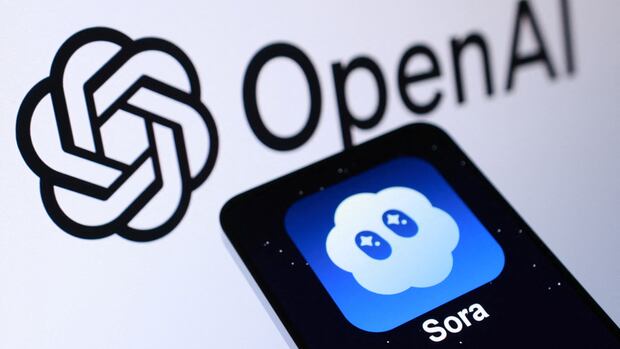
When OpenAI released its AI-powered video app Sora last October, the launch looked like a runaway success. The app rocketed to the top of the U.S. App Store, drew massive attention on social media, and even reached major download milestones faster than ChatGPT. Just a few months later, however, the picture looks far less rosy. New market data indicates that both user growth and in-app spending are sliding as the initial buzz cools down.
Sora is built on OpenAI’s Sora 2 video-generation model and debuted on iOS as an invite-only product. Despite those limitations, it attracted over 100,000 installs on its very first day and quickly climbed to the number one spot on the App Store. It crossed one million downloads at record speed, which made its early performance especially striking.
That momentum didn’t last. According to app analytics firm Appfigures, Sora’s downloads fell by 32% in December compared to the previous month. This drop stood out because December is typically a strong period for mobile apps, thanks to holiday downtime and new device purchases. The slowdown accelerated in January 2026, when installs declined another 45% month over month, landing at roughly 1.2 million. User spending followed a similar pattern, falling 32% in January after peaking the month before.
So far, the app has accumulated around 9.6 million downloads across iOS and Android, generating approximately $1.4 million in consumer spending. The U.S. market accounts for the bulk of that revenue, with Japan, Canada, South Korea, and Thailand trailing behind. Monthly spending dropped from about $540,000 in December to $367,000 in January.
Sora’s rankings reflect the slowdown. It has slipped out of the top 100 free apps on the U.S. App Store and currently sits just outside that list. On Google Play, its position is even lower, placing it well outside the top tier of free apps.
Several factors appear to be contributing to the decline. Competition has intensified, particularly from Google’s Gemini app and Meta’s AI-driven video features, which gained traction around the same time. Copyright issues have also complicated Sora’s growth. Early leniency allowed users to generate videos featuring popular characters, which fueled interest but upset rights holders. In response, OpenAI tightened restrictions and shifted to a more conservative, opt-in licensing approach—reducing creative freedom in the process.
Although a recent partnership allowing select Disney characters was meant to reignite interest, it hasn’t yet translated into higher downloads or spending. Sora was once described as the “TikTok of AI video,” but concerns around likeness use, limited IP access, and waning novelty have dampened enthusiasm. Whether OpenAI can revive the app with new features or broader licensing deals remains an open question.
