


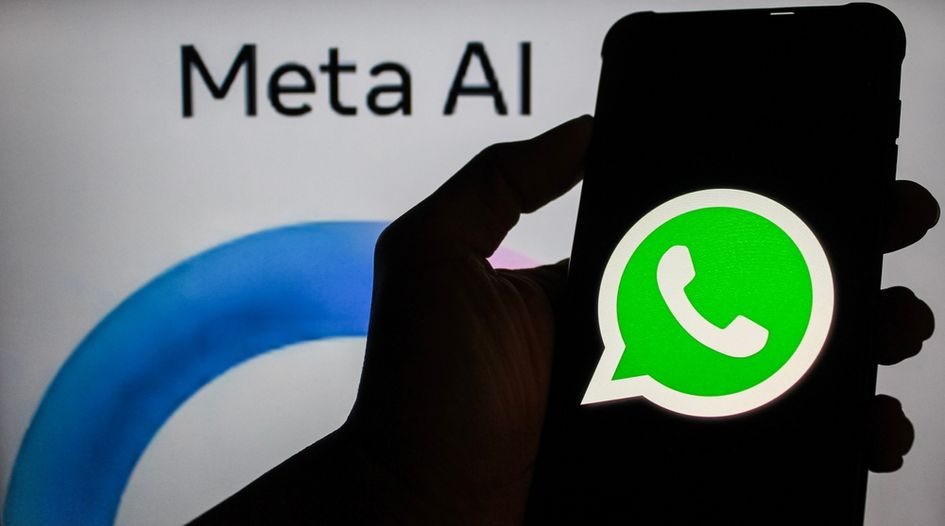
Meta has begun charging developers to run AI-powered chatbots on WhatsApp in certain regions, starting with Italy. The decision follows regulatory intervention that forced the company to loosen its restrictions on third-party bots, even as Meta continues to push back against broader access to its messaging platform.
Earlier this year, WhatsApp officially enforced a policy that blocks external AI chatbots from operating through its Business API. That ban took effect on January 15. However, Italian regulators stepped in soon after, asking Meta to pause the restriction on competition grounds. As a result, Meta created a temporary exception allowing AI bots to continue serving Italian users — but now with a cost attached.
Beginning February 16, developers running AI chatbots for Italian phone numbers will be charged for every non-template message sent by their bots. Meta has set the price at approximately €0.057 per message (around $0.07), meaning costs could escalate quickly for services that handle large volumes of user queries each day.
Notably, when Meta first informed developers about the Italian exemption earlier this month, it made no mention of upcoming fees. The pricing announcement therefore caught some developers off guard, especially smaller teams that rely on WhatsApp as a low-friction distribution channel.
Charging businesses on WhatsApp is not new. Companies already pay to send pre-approved “template” messages for use cases such as order confirmations, shipping notifications, authentication codes, and marketing alerts. What’s different here is that Meta is now extending fees to AI-generated, conversational replies — a core feature for chatbot developers.
Meta has framed the move as a necessity rather than a strategic shift. According to the company, WhatsApp’s infrastructure was never built to support the heavy, continuous traffic generated by AI bots. Meta has also argued that WhatsApp should not be treated as a default marketplace for AI services, suggesting that developers should instead rely on app stores, websites, or direct partnerships to reach users.
The situation is still evolving globally. Regulators in the European Union and Brazil have also raised concerns about the chatbot ban. In Brazil, authorities initially ordered Meta to suspend its policy, but a court later overturned that decision. Following the ruling, Meta instructed developers to stop offering AI chatbot services to Brazilian WhatsApp users altogether.
Since the restrictions went into effect, developers have been required to send automated messages directing users away from WhatsApp to external apps or websites. Major AI providers such as OpenAI, Microsoft, and Perplexity previously warned users that their WhatsApp bots would no longer function after mid-January.
Italy’s case may set an important precedent. If regulators in other countries force Meta to allow chatbot access, similar pricing models could soon follow — potentially reshaping how AI services operate on one of the world’s most popular messaging platforms.


