



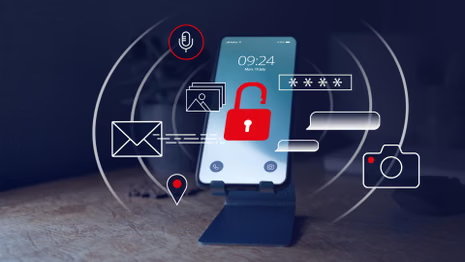
Imagine checking your phone on an ordinary day and seeing a warning that government-grade spyware may have targeted your device. That moment can be deeply unsettling, even for people who understand cybersecurity well. These alerts are becoming more common as major tech companies step up efforts to warn users when they detect signs of sophisticated surveillance attempts.
Apple, Google, and WhatsApp now actively notify users if their systems flag activity linked to mercenary spyware—tools typically sold to governments and law enforcement agencies. These warnings are not sent lightly. They’re based on years of threat intelligence, behavioral signals, and deep technical analysis. If you receive one, it deserves immediate attention.
That said, a notification doesn’t always mean your phone was successfully compromised. In many cases, it indicates that an attack was attempted and blocked. The purpose of the alert is to give you a chance to strengthen your defenses before anything worse happens.
First Steps: Secure Your Digital Life
The most important thing to do is act quickly but calmly. Start by updating your device and all installed apps to the latest versions. Security patches often close the very holes spyware relies on.
If you use Apple devices, enabling Lockdown Mode is strongly recommended. This setting restricts certain features to reduce attack surfaces commonly exploited by advanced spyware. Android and Google account users should activate Advanced Protection, ideally with a physical security key or passkey, and ensure multi-factor authentication is enabled everywhere.
You should also be cautious with links, messages, and attachments—even from familiar contacts—and restart your phone regularly. Unexpected battery drain, overheating, or sudden glitches can sometimes be warning signs worth noting.
Getting Expert Help
What you do next depends on your situation. Some people choose to run open-source tools like the Mobile Verification Toolkit (MVT) to look for forensic indicators of spyware. While powerful, these tools require technical confidence.
Journalists, activists, researchers, and human rights defenders have access to specialized organizations that investigate spyware attacks confidentially. Groups such as Access Now, Amnesty International, The Citizen Lab, and Reporters Without Borders regularly assist people facing digital surveillance.
For executives, politicians, or business leaders, private cybersecurity firms may be the best option. Some offer mobile forensic analysis services, either through apps or direct investigations, to determine whether a device was compromised.
What an Investigation Looks Like
Most investigations begin with a remote review of diagnostic data from your device. If anything suspicious appears, deeper analysis may require a full device backup or, in some cases, the physical phone itself.
Be aware that modern spyware often erases its own traces after stealing data. This “hit-and-run” behavior means even expert investigators may find little evidence. A clean result doesn’t always mean nothing happened—but it still helps guide your next steps.
Receiving a spyware alert is frightening, but it’s also an opportunity to protect yourself. With the right response and support, you can reduce risk and regain control. Hopefully, you’ll never need this guidance—but if you do, being informed can make all the difference.


