



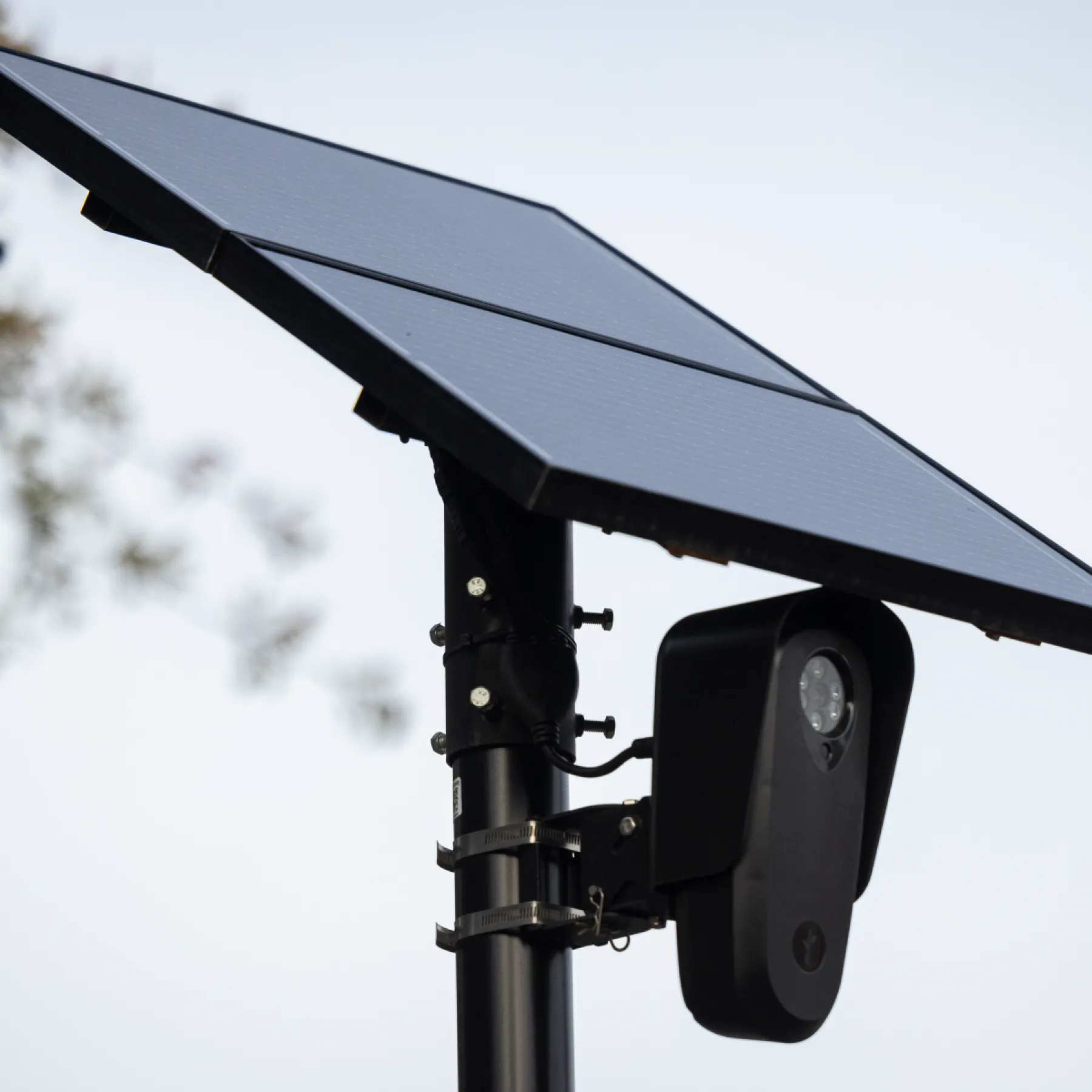
Acts of vandalism against surveillance technology are increasing across the United States, with residents in multiple states tearing down or damaging license plate-reading cameras made by Flock Safety.
The incidents, first detailed by journalist Brian Merchant in his newsletter Blood in the Machine, reflect growing frustration over how automated license plate readers are being used. Critics argue that the vast camera network has become a powerful tool for law enforcement agencies — including federal immigration authorities — to track individuals’ movements.
Flock Safety, headquartered in Atlanta, built its business around installing cameras that capture and store license plate data. The company was valued at $7.5 billion last year and now operates tens of thousands of cameras nationwide. These devices log where vehicles travel and when, creating searchable records accessible to law enforcement partners.
Although Flock maintains that it does not directly provide data to U.S. Immigration and Customs Enforcement (ICE), reports indicate that some local police departments have shared access to Flock’s systems with federal agencies. That overlap has fueled public concern, especially amid heightened immigration enforcement efforts.
In response, some communities are pushing city councils to terminate contracts with Flock. Others have gone further, physically targeting the hardware itself.
In La Mesa, California, several cameras were reportedly smashed shortly after the city council voted to continue using the technology — despite strong opposition from residents who voiced privacy concerns at public meetings. Similar acts of destruction have been reported in states including Connecticut, Illinois, and Virginia.
Oregon saw one of the more dramatic episodes: six camera poles were cut down, and at least one was spray-painted. A message reportedly left at the scene mocked the surveillance effort.
The scope of the camera network is substantial. According to DeFlock, an initiative that tracks automated plate readers, there are nearly 80,000 such cameras operating across the country. At the same time, dozens of municipalities have rejected proposals to adopt Flock’s technology, and some police departments have restricted federal access to their systems.
The backlash highlights a broader debate over privacy and surveillance in public spaces. Supporters of license plate readers argue they help solve crimes and recover stolen vehicles. Opponents counter that widespread tracking risks normalizing mass surveillance.
As tensions rise, the vandalism suggests that for some Americans, policy debates are no longer enough — and the cameras themselves have become symbols of a surveillance system they no longer trust.


