



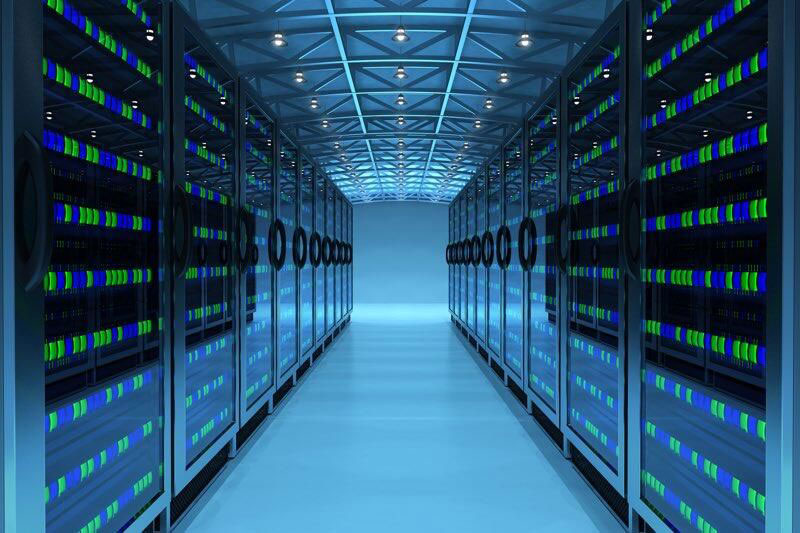
Not long ago, data centers existed quietly in the background, humming away far from public attention. They were essential to the internet, cloud services, and digital life, but largely invisible to anyone outside the tech world. That quiet era is now over.
In 2025, data centers moved from obscurity into the spotlight. Across the United States, communities are pushing back against the rapid expansion of massive server facilities, turning what was once a niche infrastructure topic into a national political and social debate. Protests have erupted in dozens of states, and organized opposition has grown quickly. According to groups tracking this movement, more than a hundred local organizations in over 20 states are actively campaigning against new data center developments.
The concerns vary, but they share common themes. Residents worry about environmental strain, water usage, noise pollution, and potential health effects. Others object to how artificial intelligence technologies are being deployed, while many point to a more immediate issue: rising electricity costs. Data centers consume enormous amounts of power, and critics argue that local households are footing the bill for an industry boom they didn’t ask for.
This backlash is closely tied to the explosive growth of AI and cloud computing. Since 2021, spending on U.S. data center construction has increased by more than 300%, reaching hundreds of billions of dollars. So many projects have been proposed that analysts now doubt whether even half of them can realistically be built. Still, the momentum hasn’t slowed. Tech giants like Google, Microsoft, Amazon, and Meta have all signaled that data center investment remains a top priority.
The push isn’t coming solely from Silicon Valley. Federal leadership has also framed AI infrastructure as a strategic necessity. Large-scale initiatives announced in recent years have promoted data centers as part of a broader effort to strengthen domestic industry and technological leadership.
As these facilities move closer to residential areas, public resistance has intensified. Communities in Michigan, Wisconsin, California, Tennessee, and beyond have staged rallies, filed lawsuits, and pressured local governments to reconsider approvals. In several cases, developers have paused or withdrawn plans after sustained opposition.
Politicians are taking notice. Energy prices, increasingly linked in the public mind to AI-driven infrastructure growth, are emerging as a potential flashpoint ahead of upcoming elections. For many voters, the issue isn’t abstract—it shows up on monthly utility bills.
Grassroots organizers argue that public pressure is already having an impact. Billions of dollars’ worth of projects have reportedly been delayed or blocked. Meanwhile, the tech industry is mounting its own counteroffensive, launching advertising campaigns, lobbying efforts, and public tours to emphasize jobs and economic benefits.
As the demand for computing power continues to surge, one thing is clear: data centers are no longer just backend infrastructure. They are now a defining issue at the intersection of technology, politics, energy, and everyday life—and the conflict surrounding them is unlikely to fade anytime soon.


