

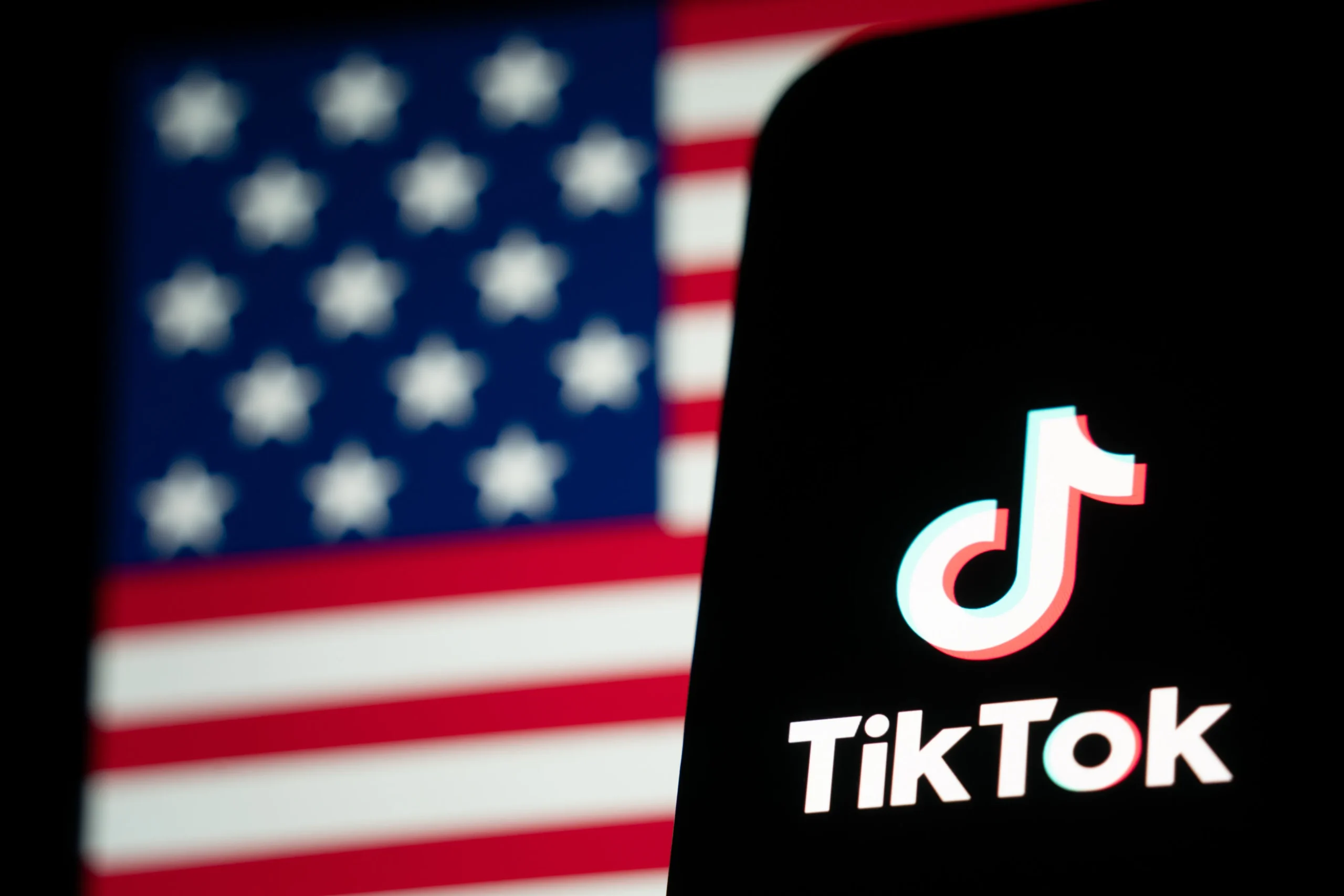
For nearly four years, TikTok has been under intense scrutiny in the United States. Owned by China-based ByteDance, the short-form video app became a political flashpoint amid fears that American user data could be accessed by the Chinese government. Those concerns set off a chain reaction of legal threats, negotiations, and near-bans that repeatedly left U.S. users uncertain about the platform’s future.
That uncertainty peaked earlier this year when TikTok briefly went dark in the U.S., only to reappear shortly afterward on Apple’s App Store and Google Play. Behind the scenes, however, negotiations were accelerating. After multiple deadline extensions, a deal has now been finalized: TikTok will partially divest its U.S. business to a group of American investors.
This agreement follows an executive order signed by President Donald Trump earlier this year, authorizing the sale of TikTok’s U.S. operations. Shortly before the deal was announced, Trump stated that Chinese President Xi Jinping had approved the framework, clearing the way for American ownership while keeping the app available to U.S. users.
Who controls TikTok’s U.S. operations now?
Under the new structure, a consortium led by Oracle, Silver Lake, and investment firm MGX will collectively own 45% of TikTok’s U.S. entity. ByteDance will retain just under a 20% stake. The U.S. business is estimated to be worth around $14 billion.
Operations will be managed by a newly formed company, TikTok USDS Joint Venture LLC. This entity will oversee critical areas such as data security, content moderation, algorithm integrity, and software oversight. Oracle has been designated as the trusted security partner, tasked with auditing compliance and safeguarding user data. The company will also host U.S. user information and play a central role in securing and retraining a U.S.-specific version of TikTok’s algorithm.
Importantly, ByteDance will not have access to American user data or influence over how the U.S. algorithm operates.
The transaction is expected to close on January 22, 2026.
What changes for U.S. users?
Reports suggest that once the deal is finalized, the current TikTok app may be phased out in the U.S., with users transitioning to a newly branded platform. Details about how the new app will function—or how different it will feel—have not yet been made public.
How did it all start?
The standoff dates back to August 2020, when Trump first signed an order targeting ByteDance. Attempts to force a sale followed, involving bidders like Microsoft, Oracle, and Walmart. Legal challenges temporarily halted those efforts, but momentum returned under the Biden administration, culminating in legislation targeting TikTok.
TikTok responded with lawsuits, arguing that a ban violated constitutional rights and insisting it posed no national security threat. Now, after years of political back-and-forth and a crowded field of potential buyers—from tech giants to celebrity-backed groups—the platform has landed on a compromise designed to keep TikTok alive in the U.S. while addressing security concerns.