


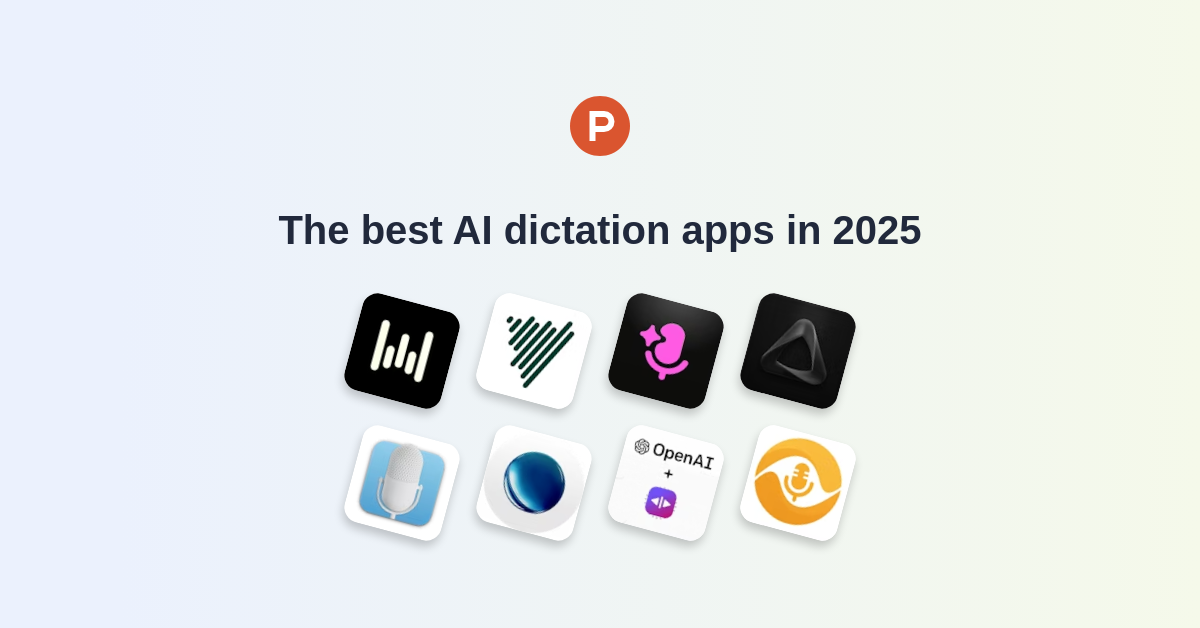
Voice-to-text software has existed for a long time, but 2025 marked a clear turning point. Earlier dictation tools often struggled with accents, pacing, and natural speech, forcing users to speak slowly and correct errors afterward. Today’s AI-driven dictation apps feel far more natural. Thanks to major improvements in speech recognition and language models, these tools now understand context, clean up sentences, remove filler words, and deliver text that’s ready to use with minimal editing.
With so many options now available, choosing the right app can be overwhelming. Below is a restructured overview of some of the most practical and popular AI dictation tools available this year, each serving a slightly different need.
Flexible Writing Assistants
Some dictation apps focus on adapting to your writing style. Wispr Flow is a strong example, allowing users to switch between formal and casual tones depending on whether they’re writing emails, work documents, or messages. It supports custom vocabulary and integrates well with coding environments. Free usage is limited, while paid plans unlock unlimited dictation.
Willow takes a slightly different approach by helping users expand short voice prompts into full paragraphs. It also emphasizes privacy by storing transcripts locally and offering opt-outs from AI training. This makes it appealing for professionals handling sensitive information.
Privacy-First and Offline Tools
For users who want maximum control over their data, Monologue allows its AI model to run directly on the device, avoiding cloud processing altogether. It also lets users adjust tone based on where the text will be used. VoiceTypr follows a similar offline-first philosophy, offering local transcription across more than 99 languages and a one-time license instead of subscriptions.
Advanced and Customizable Options
Superwhisper stands out for power users. Beyond live dictation, it can transcribe audio and video files and supports multiple AI models with varying speed and accuracy. Users can even bring their own API keys. Aqua, on the other hand, focuses on speed and convenience, offering quick autofill commands like speaking your address instead of typing it repeatedly.
Free and Open-Source Choices
If budget is a concern, Handy provides a simple, open-source solution that works across major operating systems. While basic, it’s a solid entry point for voice typing. Typeless also offers a generous free tier and automatically suggests improved sentence versions when speech isn’t perfectly clear.
Overall, AI dictation in 2025 is no longer about replacing keyboards—it’s about giving users faster, smarter, and more natural ways to turn thoughts into text.


